Newsletter subscription

Name:
Email:

Research areas

The research being conducted at the laboratories of Leloir Institute are focused in four strategic areas:

  • Cell biology and cancer
  • Neurosciences and neurodegenerative diseases
  • Molecular microbiology and vaccine engineering
  • Genetics and molecular biology of plants

In each of these four areas, there are several laboratories working in different specific fields but trying to answer similar questions and sharing methodologies and equipment.
One of the main objectives of our Institute is to boost the potential of these groups through the setup of facilities to allow for a multidisciplinary approach to their research. We also work to develop the necessary infrastructure and sophisticated equipment needed for modern research in cellular and molecular biology.


Here follows a brief description of the fields of research:

Cell biology and cancer

This area comprises 9 laboratories of FIL. Several groups study the regulation of essential cellular functions like light sensing and the response to different types of stress (defects in the synthesis and folding of proteins, low levels of oxygen, damage to DNA). Other groups focus their research in the study of defects in the control of cell proliferation that derives in the development of different types of cancer (cervical, colon, breast, melanoma). This basic research has a potential application in the development of therapeutic vaccines and new therapies against cancer, new drugs for the prevention of heart attacks or degenerative diseases, and the discovery of the genes and functions involved in these processes.

Neurosciences and neurodegenerative diseases

Five laboratories at FIL study the way the nervous tissues are developed during fetal growth and in adult life. These groups try to elucidate how the brain functions are acquired, which are the genes involved in this process and how the cells and tissues acquire their final architecture. They also study neurodegenerative processes that cause diseases like Alzheimer and Parkinson, trying to understand at the molecular level the causes with the goal of developing new therapeutic strategies to cure or alleviate these diseases.

Molecular microbiology and vaccine engineering

Five laboratories at FIL study viruses that produce diseases of high impact in our country like dengue and human papillomavirus, and bacteria like Brucella, a pathogen of humans and animals. In all cases the molecular mechanisms of virulence are studied in order to find new targets for chemotherapy and vaccine engineering. Other bacteria of importance for industry and agronomy are studied, like Rhizobium (used in agriculture to fix nitrogen) and some polysaccharide producing bacteria.

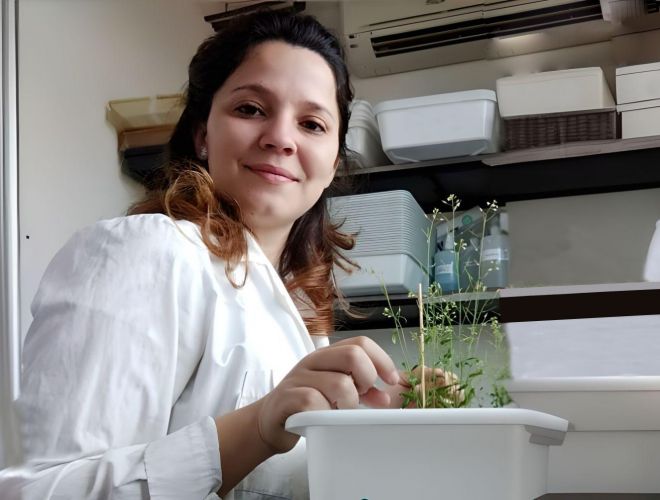
Genetics and molecular biology of plants

Five laboratories at FIL study genetics, molecular biology and biochemistry of plant species of agronomic interest. These labs are focused to understand the regulation of gene expression and flowering exerted by light and temperature. This knowledge could be useful to improve the yield of fodder plants. Other groups study the redox modulation of photosynthetic processes and characterize vegetal products useful for food and medicinal chemistry.

Facilities

The research in the above mentioned four areas is reinforced with several state of the art facilities in microscopy, bioinformatics and Nuclear Magnetic resonance for macromolecules.